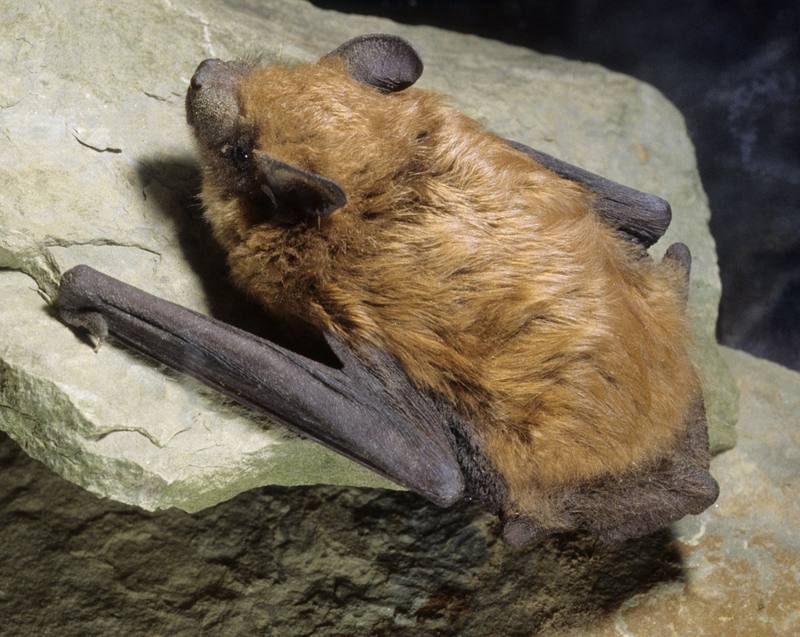
Big brown bat
Eptesicus fuscus
The Big brown bat is one of the largest and most robust members of the vespertilionid family commonly encountered in North America. This sturdy bat...
A reference guide to the 18 bat species found in Utah. Tap any card to read the full description, diet, habitat, roosting behavior, and conservation status. Utah Wildlife Specialists handles humane removal and exclusion for any bats roosting in your home or business.
Tap any card for full details on description, diet, habitat, roosting behavior, and conservation status.
Eptesicus fuscus
The Big brown bat is one of the largest and most robust members of the vespertilionid family commonly encountered in North America. This sturdy bat...
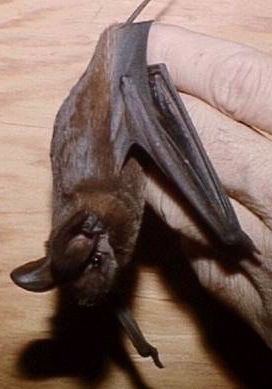
Nyctinomops macrotis
The Big free-tailed bat is a medium-sized molossid characterized by exceptionally long, narrow wings designed for rapid, sustained flight in open airspace. The pelage is...
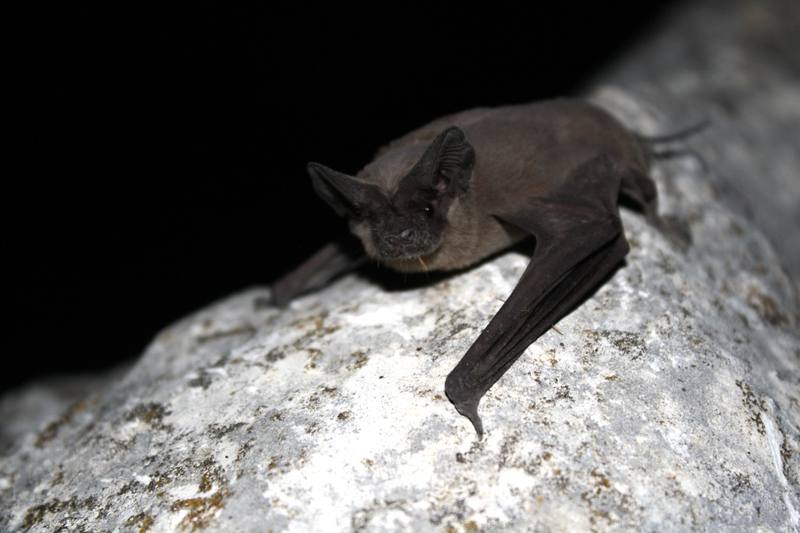
Tadarida brasiliensis
The Brazilian free-tailed bat is a medium-sized molossid famous for forming some of the largest aggregations of mammals on Earth. In Utah, populations roost in caves, abandoned mines, bridges, and buildings, and migrate seasonally to and from Mexico...
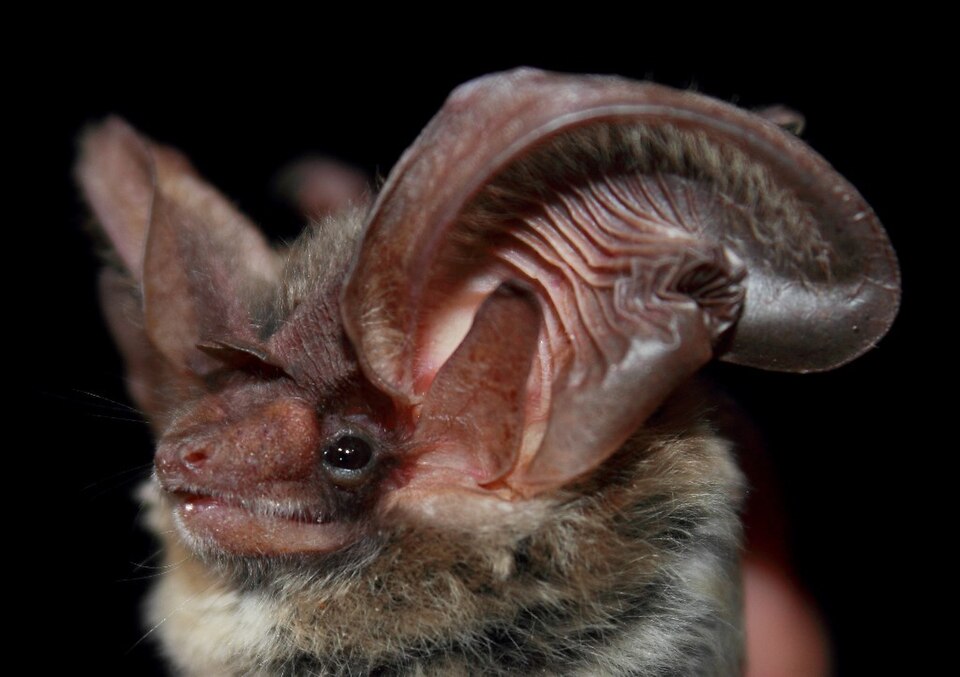
Idionycteris phyllotis
Allen's big-eared bat is a medium-sized bat with very long ears (about 4 cm) joined at the base, making it one of the most distinctive bats in the western U.S. Found in Utah's pinyon-juniper and ponderosa pine forests...
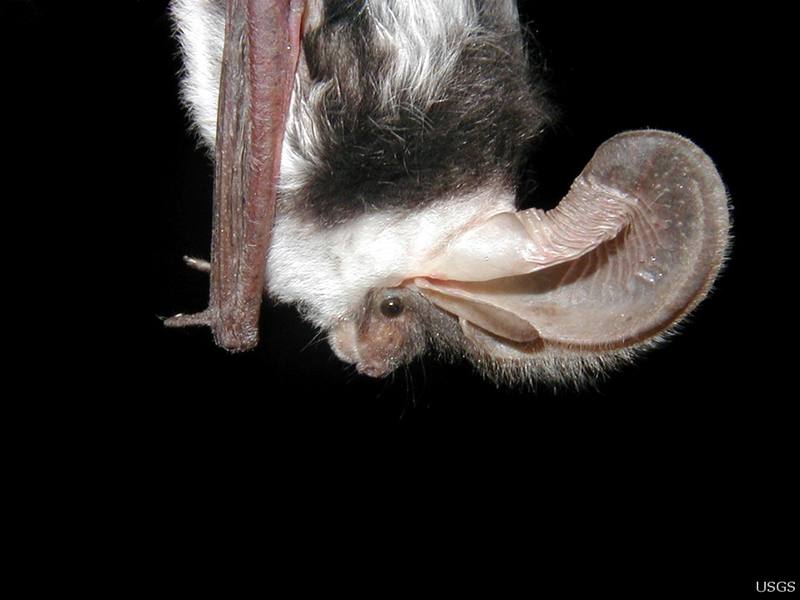
Euderma maculatum
The Spotted bat is arguably the most visually striking bat species in North America, with a color pattern unlike any other mammal. The dorsal pelage...
Corynorhinus townsendii
Townsend's big-eared bat is distinguished by enormous ears (30 to 40 mm long when extended) that are even more prominent than the bat's head length, giving it...
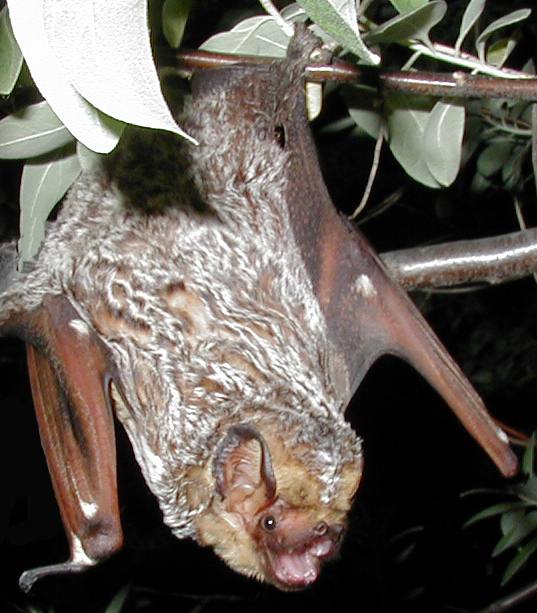
Lasiurus cinereus
The Hoary bat is one of the largest, most beautiful, and most distinctive bats in North America, with pelage that appears frosted or hoary (giving...
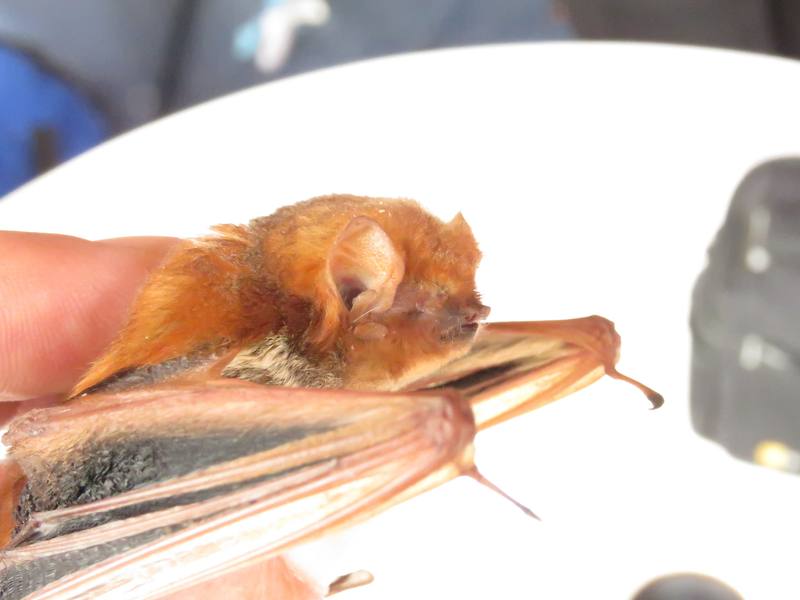
Lasiurus blossevillii
The Western red bat is a medium-sized tree bat with striking coloration and beautiful, dense fur. The species shows pronounced sexual dichromatism, males typically display bright...
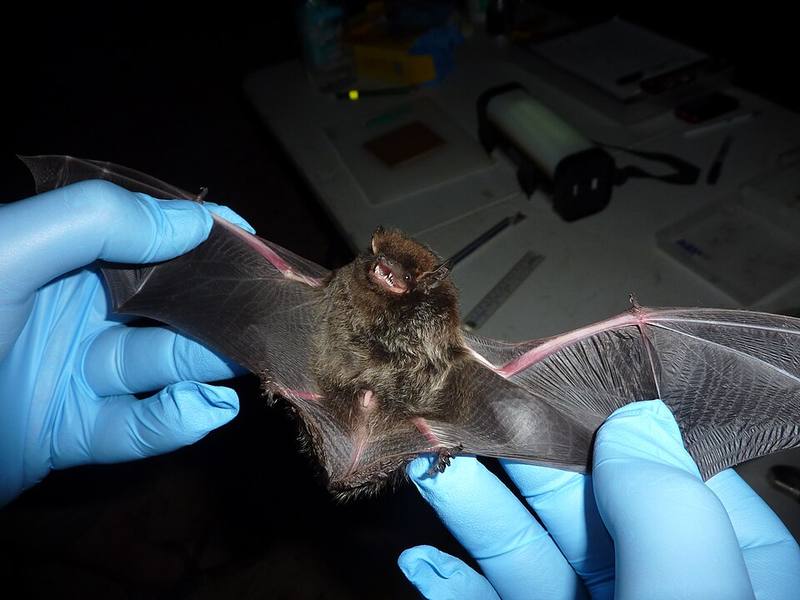
Lasionycteris noctivagans
The Silver-haired bat is a medium-sized, strikingly beautiful bat characterized by its unique silver-frosted appearance. The dorsal pelage is dark brown to blackish-brown with conspicuous...
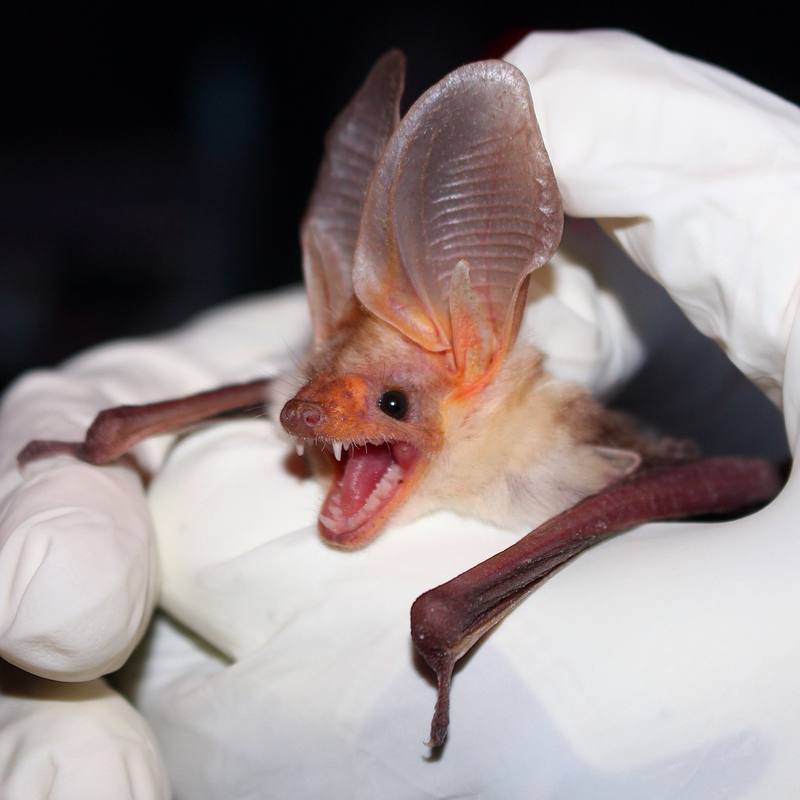
Antrozous pallidus
The Pallid bat is a large, distinctive bat easily recognized by its very pale coloration, enormous ears, and unusual foraging behavior. The dorsal pelage is...
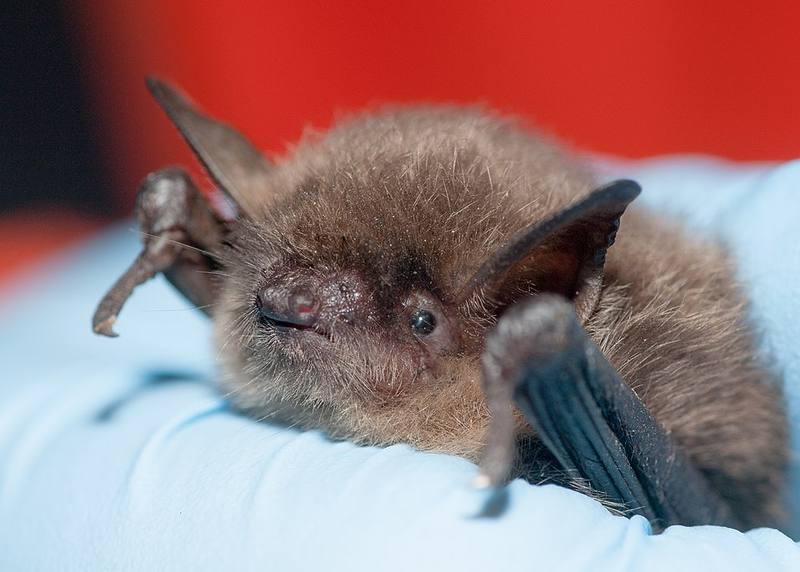
Myotis yumanensis
The Yuma myotis is a small to medium-sized member of the Myotis genus with relatively dull coloration and a strong association with aquatic habitats. The...
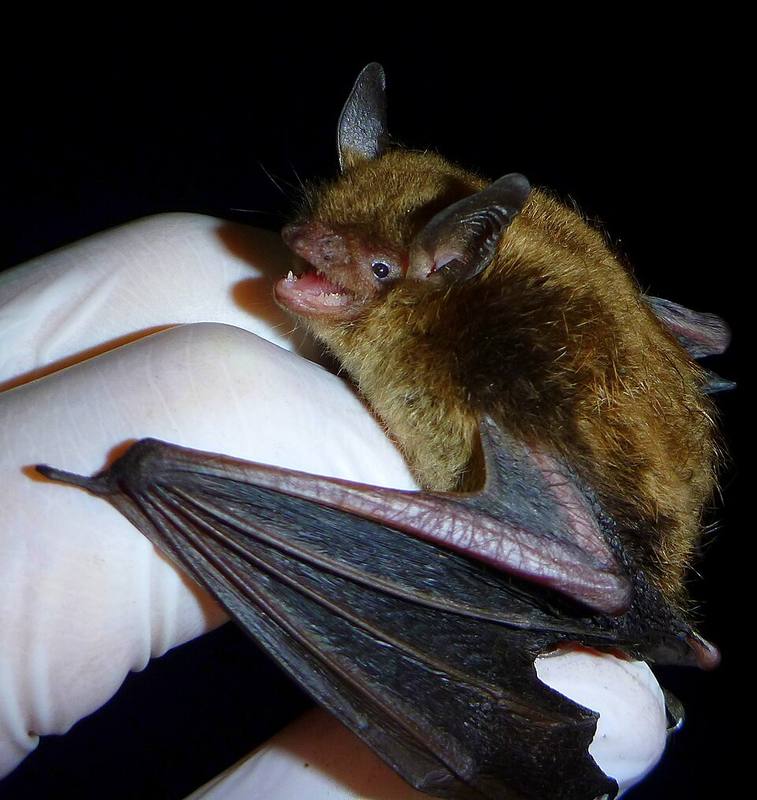
Myotis lucifugus
Little brown myotis is one of the most common and widely studied bats in North America. It is small, with glossy brown fur, and was the bat species hardest hit by White-Nose Syndrome in the eastern U.S...
Myotis volans
The Long-legged myotis is a medium-sized member of the Myotis genus named for its proportionally longer hind legs, though this feature is difficult to observe...
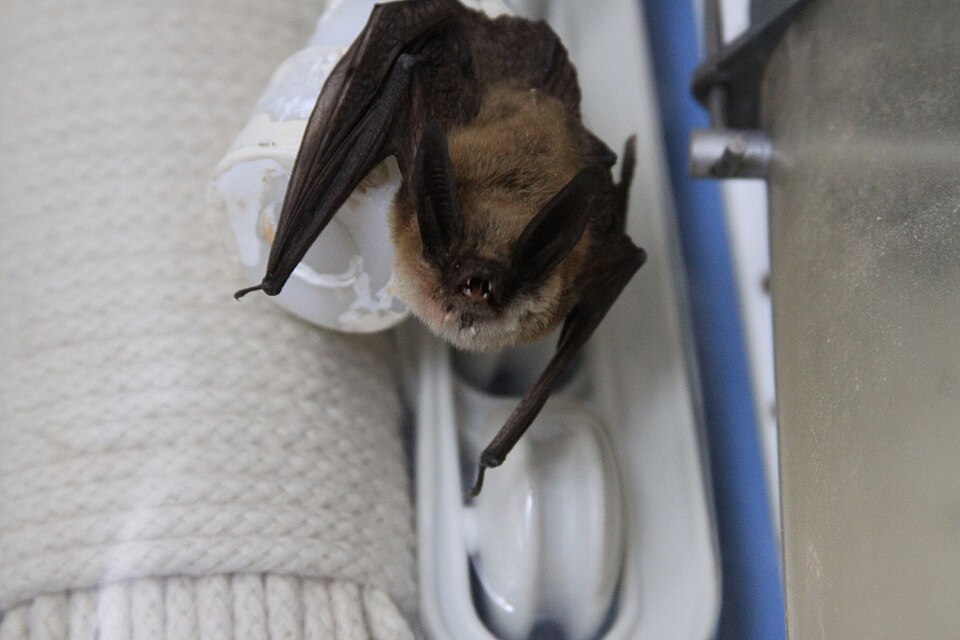
Myotis evotis
Long-eared myotis has unusually long ears for a Myotis bat (about 22 mm) that extend well beyond the nose when laid forward. Distinguished from look-alikes by ear length and a dark mask...
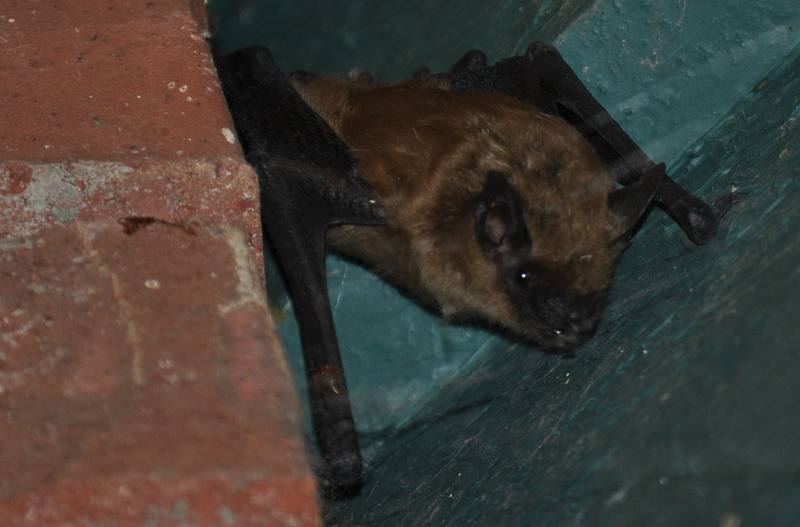
Myotis californicus
The California myotis is among the smallest bats in North America, characterized by tiny size, relatively dull coloration, and plain features. The dorsal pelage ranges...
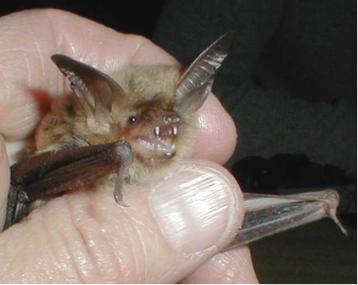
Myotis thysanodes
The Fringed myotis is a medium-sized Myotis with distinctive features that, once observed, make identification straightforward. The defining characteristic is a conspicuous fringe of short,...
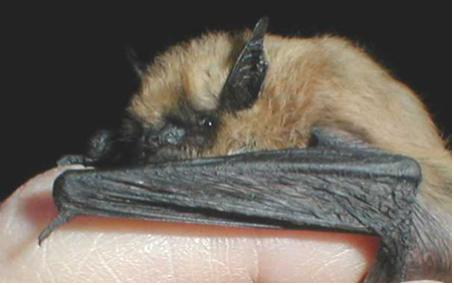
Myotis ciliolabrum
The Western small-footed myotis is one of the smallest bat species in North America, characterized by tiny size, small feet, and variable but often pale...
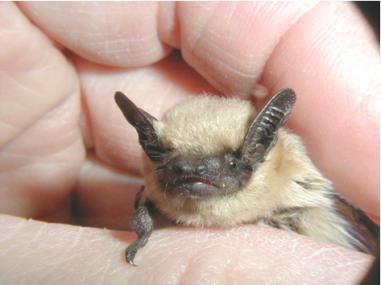
Parastrellus hesperus
The Canyon bat (formerly Western pipistrelle) is the smallest bat species in North America and among the smallest in the world, making it instantly recognizable...
We follow Utah Division of Wildlife Resources regulations and use humane methods approved by wildlife authorities. The only legal way to remove bats from a building is humane exclusion.
See our bat removal service Request a Phone Consultation