How Much Does Wildlife Removal Cost in Utah?
Wildlife removal pricing in Utah swings widely, and the species, the damage, and the exclusion scope are what move the number. Here is what drives the cost before you ever pick up the phone.
Most homeowners who call us have already spent two or three sleepless nights listening to something move around above the ceiling. By the time they pick up the phone, the first question is almost always the same: "What is this going to cost me?" The straightforward answer is that we cannot give you an accurate number until a technician has walked your property. What we can do is explain exactly why that is, give you honest industry ranges for Utah jobs, and walk you through every factor that moves the final price up or down.
Four Things That Drive the Cost of Any Wildlife Job in Utah
Species, infestation duration, exclusion scope, and cleanup requirements account for almost all of the price variation you will see between quotes. Understanding each one before you call will help you evaluate what you are hearing.
The animal involved sets the baseline. A squirrel that found its way into a roofline vent in Sandy last week is a fundamentally different job from a bat colony that has been roosting in a wall cavity in Ogden for two seasons. Bats require specialized licensing, legal timing restrictions, and equipment that most other jobs do not. Raccoons are capable of tearing through vapor barriers and pulling down significant sections of insulation in a single night. Mice and rats typically involve more entry points than any other species because of how small a gap they need. A quarter-inch opening is enough for a young mouse to squeeze through.
How long the animals have been present is the second driver. A recent entry means limited damage. An infestation that has been active for months means chewed wiring, insulation saturated with urine, and secondary pathways opened through walls. Industry estimates consistently put the insulating value loss in heavily contaminated attic insulation at 30 to 50 percent, and that insulation often needs partial or full replacement. That cost is separate from removal.
Exclusion scope is where a lot of homeowners get surprised. Exclusion means sealing the entry points so animals have no way back in after removal. A single compromised soffit vent is a straightforward seal. A home in Provo with deteriorated fascia, multiple roof penetrations along an older roofline, and gaps where utility lines enter the structure requires considerably more time and material. Skipping exclusion is the primary reason people end up paying twice. The original animal is gone and a new one is inside within a few weeks.
Cleanup and sanitation close out the picture. Animal waste carries pathogens including leptospirosis and histoplasmosis. Contaminated insulation is a health concern for everyone in the building, not just an odor problem. Professional sanitation and deodorization also eliminate the scent trails that attract new animals to the same spots long after the original occupants are gone.
Realistic Price Ranges for Common Utah Species
The ranges below reflect what you will typically see quoted across the wildlife removal industry in Utah and the Intermountain West. They are starting points, not fixed prices. Your job may fall above or below these numbers depending on the factors described above.
- Squirrels: Straightforward jobs with one or two animals and a single clear entry point commonly run $300 to $600. Jobs involving a female with young, multiple entry points, or soffit damage move toward $800 to $1,200.
- Raccoons: A single raccoon with basic exclusion typically runs $400 to $800. Attic jobs with a female and kits (young raccoons) plus associated waste cleanup often run $1,000 to $2,000 or more depending on how long they have been present.
- Bats: Bat colony jobs are among the most complex in the field. Exclusion-only work on smaller structures starts around $500 to $900. Larger colonies with attic contamination and full guano (bat droppings) cleanup can reach $1,500 to $4,000 or more. The timing of any bat exclusion must also comply with Utah Division of Wildlife Resources (DWR) regulations, which is covered in its own section below.
- Mice and rats: Interior rodent programs covering trapping, exclusion, and monitoring typically run $300 to $700 for an initial service, with follow-up visits priced separately. Extensive entry-point sealing on older Lehi or South Jordan homes with more complex foundations increases the total.
- Great Basin rattlesnakes and other snakes: Single snake removal is usually the lowest-cost service, often $100 to $300 for a standard job. Recurring snake activity tied to a rodent food source requires addressing that underlying prey population, which expands the scope considerably.
- Skunks: Trapping and relocation without significant structural damage runs $300 to $600 in most cases. Skunks under a deck or porch, a common situation in older West Valley City neighborhoods, add odor treatment to the cost. See our full skunk guide for specifics.
- Birds (non-protected species): Exclusion netting, spikes, and one-way devices for pigeons or starlings vary widely by structure size, from $400 for a small overhang to several thousand dollars for a larger commercial roofline.
None of these figures include attic restoration or insulation replacement, which is quoted separately after a technician has assessed the extent of the damage.
Bats in Utah: Why the Law Sets the Timeline
Bats deserve a section on their own because they are the most legally regulated animal in residential wildlife removal. According to the Utah Division of Wildlife Resources (DWR) (wildlife.utah.gov), bats in Utah are protected under state wildlife law, and some species carry additional federal protections. Harming or removing bats outside of permitted conditions can result in substantial fines.
The most important legal constraint is the maternity season exclusion restriction. Each spring, mother bats give birth to pups (young bats) that are unable to fly. According to the Utah DWR, you should not install exclusion devices during the maternity season, roughly May through August, because the pups would be trapped inside the structure. The DWR does not permit colony removal during that window except where there is a genuine human health and safety issue. Always confirm the current guidance with a licensed technician before any bat work begins.
What this means for homeowners in Salt Lake City or Layton who discover a bat colony in June: the licensed technician may need to wait until the restriction period ends in late summer before installing one-way exit devices. This is not a delay caused by scheduling. It is required by law. Some companies charge a monitoring fee during the wait. A reputable company will explain the timeline clearly, in writing, before any work begins. For a detailed look at keeping bats out long-term, see our bat exclusion guide.
What the Timeline Actually Looks Like
Simpler jobs, one animal and one clear entry point with no structural damage, can wrap up in one or two visits over a few days. Most jobs in Utah follow a longer arc.
A typical squirrel or raccoon exclusion runs seven to fourteen days. Traps are set, monitored, and cleared on a schedule. Once the animals are confirmed out, entry points are sealed and a follow-up inspection confirms nothing is left inside. Bat exclusion, when legally permitted, typically runs two to four weeks. The one-way exit devices need to remain in place long enough for every bat in the colony to leave before the entry points are permanently sealed.
Attic restoration, if needed, is scheduled after the exclusion phase is confirmed complete. Plan for one to three additional days of work depending on the extent of the damage.
What Does an On-Site Inspection Actually Cover?
No legitimate wildlife company can give you an accurate quote from a phone description alone. The inspection is not a sales visit. It is a technical requirement.
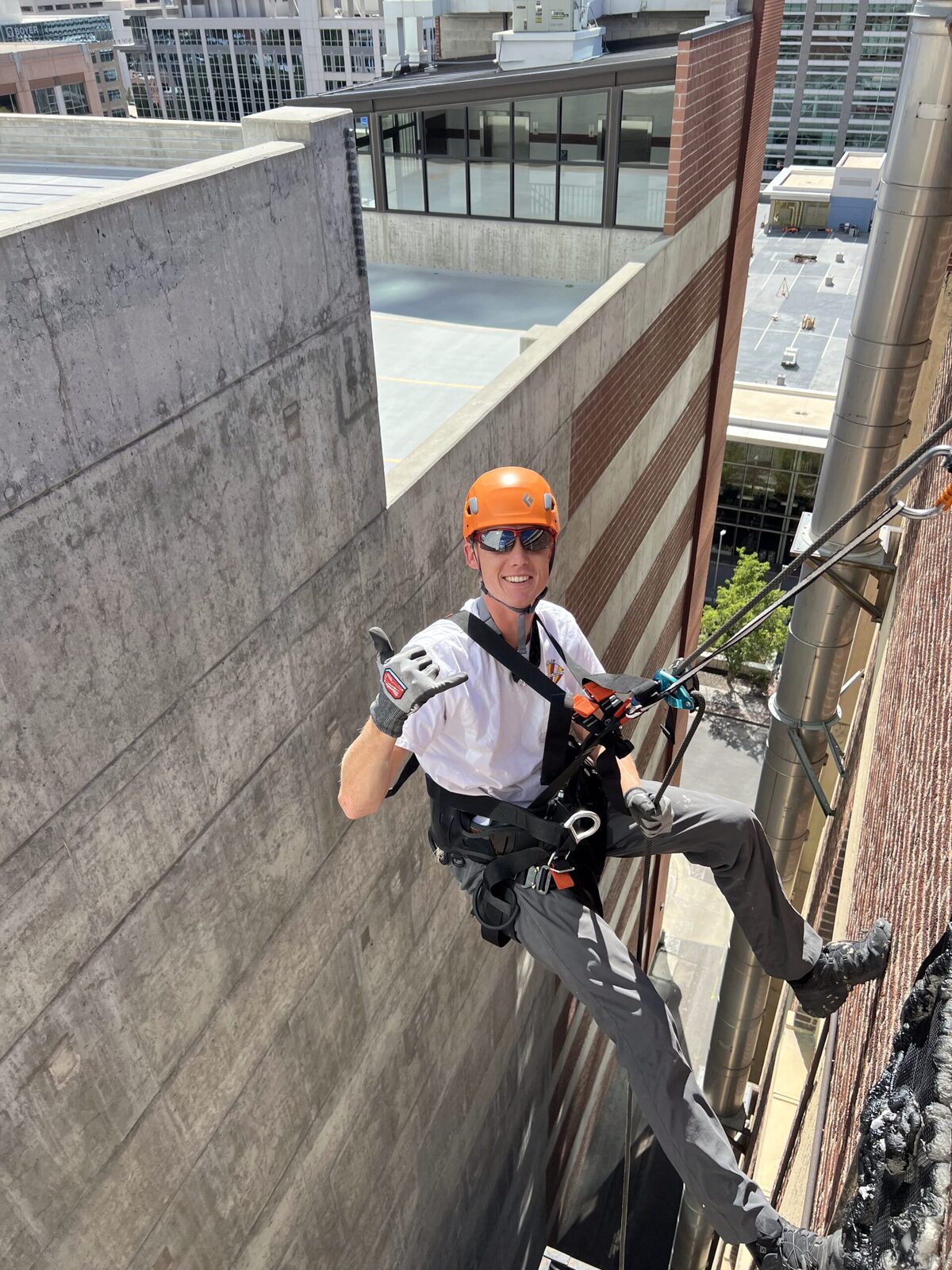
A thorough inspection covers the full exterior of the structure, looking for entry points as small as a quarter-inch gap. The technician checks the attic interior for evidence of activity, assesses the extent of damage, confirms the species with certainty, and determines whether young are present. That last point affects both legal compliance and the removal strategy. Finding evidence of nesting young changes the approach significantly.
After the inspection you should receive a written scope of work that separates the cost of removal, exclusion, and cleanup. That itemized breakdown is what lets you compare quotes fairly. If a company declines to provide one, take note. For more on how animals find their way in, this post on wildlife entry points covers the common vulnerabilities across Utah home types.
Costs Homeowners Often Miss Until the Invoice Arrives
A few line items surprise people who have not been through this before, especially on Utah jobs where older construction and desert-adjacent landscaping create some specific vulnerabilities.
Follow-up visits. Many companies price an initial service and then bill per return trip. Ask directly whether follow-up visits during the active removal period are included or invoiced separately.
Attic insulation replacement. This is often the single largest cost in a wildlife job and easy to underestimate until a technician is inside the attic. Contaminated insulation cannot be topped off. Affected material has to come out, and replacement costs vary by attic size and insulation type.
Structural repairs. Chewed fascia boards, torn soffit screens, and cracked stucco around entry points are common discoveries on Utah homes. These may be handled by the wildlife company or referred to a contractor, but either way they add to the total.
Emergency or after-hours service. Most companies charge a premium for after-hours calls. If the situation is not an immediate health or safety emergency, scheduling during normal business hours reduces cost.
Is the Cost Worth It?
Squirrels chew electrical wiring. Raccoons tear vapor barriers. Bats leave guano that, over time, creates a real indoor air quality problem. A single raccoon that spends one season in a Provo or Orem attic can cause $3,000 to $5,000 in insulation and structural damage, based on general industry loss estimates. That figure does not include the removal itself.
The math almost always favors acting quickly. Exclusion, done correctly, closes the problem permanently. The homeowners who pay repeatedly are typically the ones who chose a trapping-only option without exclusion and found themselves back to square one before the next season. And if you are unsure whether you have an infestation at all, the scratching sounds guide can help you read the signals before you call.
Frequently asked questions
Does homeowner's insurance cover wildlife removal in Utah?
Most standard policies do not cover the removal itself. Some will cover structural repairs caused by wildlife damage under “sudden and accidental damage” language. Ask your insurer specifically about animal-caused damage, and keep photos along with a written report from your technician to support any claim.
Is wildlife removal a one-time cost, or will I keep paying?
A properly completed job is a one-time cost. It covers removal, sealing of every entry point (called exclusion), and any requested cleanup. Companies that trap and release without sealing entry points leave the door open for new animals to move in. Always confirm whether exclusion is included or priced separately before you sign anything.
Can I handle wildlife removal myself to save money?
Some small nuisance situations are legal for Utah homeowners to manage on their own. Many species, including bats and several mammals, are protected under Utah Division of Wildlife Resources regulations and require a licensed professional. Improper removal can mean fines and often makes the infestation worse. An on-site inspection tells you exactly what you are dealing with first.
Why does one company quote $300 and another quote $1,800 for what sounds like the same job?
Scope differences explain nearly all of that gap. A low quote typically covers trapping only, with no exclusion or cleanup. A full-service quote covers initial removal through sealing every entry point. Ask for an itemized scope of work from each company and compare line items, not totals.
Related reading
Wildlife in your home? Contact us today.
Call to schedule an inspection.