Signs You Have Wildlife in Your Attic or Walls, in Utah
Thumping after dark, an ammonia smell near the roofline, dark stains on the soffits. Here is how to read the early signs that wildlife has moved into your Utah home.
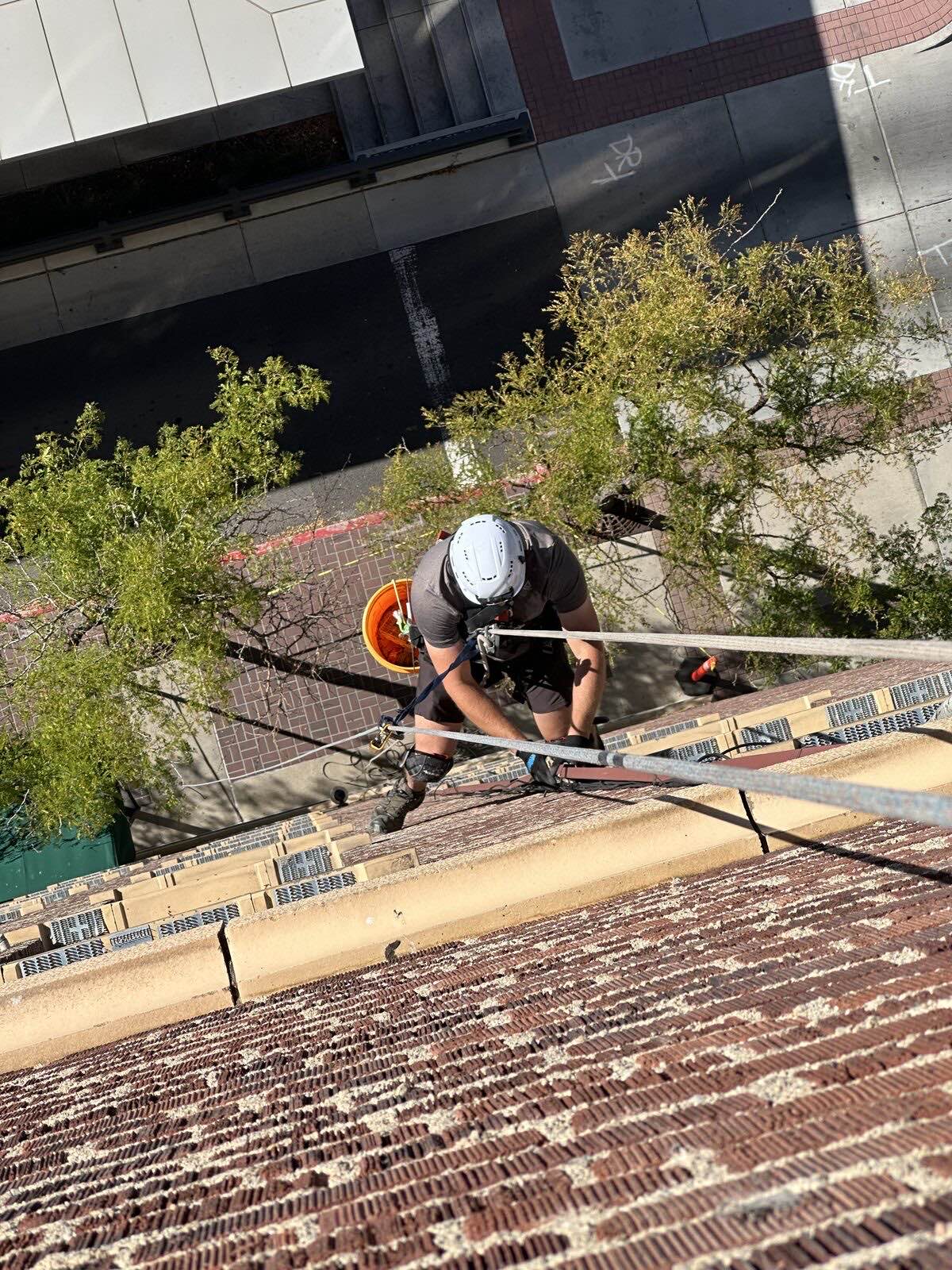
Between Salt Lake City and the communities lining the Wasatch Front, wildlife removal calls tend to spike twice a year: late winter, when animals are actively searching for denning sites as temperatures swing, and again in early fall, when they are preparing for the cold ahead. Most of those calls start with a sound the homeowner heard three weeks earlier and kept putting off. By the time we arrive, there is often a nest, insulation damage, and at least one secondary entry point they had not noticed.
Utah's geography creates a particular kind of wildlife pressure on homes. The foothills above Salt Lake City, Sandy, and Ogden push wildlife downslope as urban development expands upward. Homes in South Jordan, Lehi, and West Valley City sit close enough to open corridors that raccoons, squirrels, and pack rats cycle through regularly. In St. George and the southwest corridor, the species list shifts: pack rats and striped skunks are especially active, and the warm winters allow year-round breeding pressure. The common thread everywhere is this: Utah homes offer exactly what these animals need, and a gap as small as a half-inch is an open invitation.
This article explains the main signs that wildlife has entered your attic, walls, or crawlspace, what they mean for your health and your home, and what you should do next.
What You Hear Is the First Clue
Sound is almost always the first sign homeowners notice, and what you are hearing, when you hear it, and where it seems to come from are all meaningful data points before an inspection ever happens.
Squirrels are diurnal, meaning they are active during daylight hours. Rapid, light scrambling in the attic between sunrise and mid-morning, or again in late afternoon, is consistent with squirrel activity. They are especially common in neighborhoods near mature tree canopy in Provo, Orem, and Layton. Raccoons are heavier and mostly nocturnal. A slow, deliberate thumping after dark, sometimes with brief vocalizations, points to a raccoon. Mice and deer mice produce a fine, continuous scratching that can seem to travel through walls as they follow their established routes. The scratching is faint but relentless, often noticeable in the quiet hours after midnight.
Bats are different from all of them. Just before dusk and again near dawn, you may hear a soft, high-frequency chittering or a papery rustling inside a wall cavity or near a ridge vent. Bats exit to feed at dusk and return just before or just after sunrise. That two-beat schedule is distinctive. A colony of even a dozen bats can produce a faint but unmistakable sound signature once you know what to listen for.
One detail worth tracking: if sounds stop for two to three weeks and then return louder than before, the animal likely had young. Mothers return to proven nesting sites reliably. The second wave of noise is often pups or kits getting mobile for the first time.
Droppings Confirm the Species and Flag the Health Risk
Finding droppings in an attic, crawlspace, or along the roofline is one of the clearest indicators of a wildlife problem. In Utah, droppings also carry specific health implications worth understanding before you go looking.
Rodent droppings are small, dark, and tapered at both ends. Mouse and deer mouse droppings are roughly the size of a grain of rice. Rat and pack rat droppings are slightly larger and sometimes barrel-shaped. Raccoon droppings are much larger, often two to three inches long, and may contain undigested seeds or berry remnants. Bat guano accumulates in piles directly below a roost point, crumbles when dry, and has a sharp ammonia-like odor.
Deer mouse droppings require special caution in Utah. The deer mouse is a primary carrier of hantavirus pulmonary syndrome. According to the Centers for Disease Control and Prevention, disturbing dried rodent droppings or nesting material without respiratory protection can aerosolize the virus. Utah has documented hantavirus cases along the Wasatch Front and in rural counties. Do not sweep, vacuum, or blow out attic areas where rodent droppings are present. Wear an N95 respirator or better, disposable gloves, and minimize the time you spend in the space. Professional remediation with sealed containment is the safest approach for heavily contaminated areas.
Bat guano carries its own risk. The fungal organism Histoplasma capsulatum, associated with bat guano, produces airborne spores that can cause histoplasmosis, a respiratory illness, when disturbed. The Centers for Disease Control and Prevention classifies bat guano cleanup as a biohazard task requiring proper respiratory protection. A large colony that has occupied an attic for a full season can deposit enough material to require professional containment and removal.
Odors: What a Smell in the Right Place Tells You
A persistent, unpleasant smell with no obvious source is often what pushes homeowners to call. The smell may appear in a closet that backs against an exterior wall, in a bathroom with attic space above it, or along a ceiling run near the roofline.
Active wildlife produces waste continuously. Insulation saturated with urine breaks down and holds moisture, which concentrates the odor, especially in warmer months. Utah's summer temperature swings amplify this effect. An ammonia-heavy smell that strengthens in July and August and eases slightly in October is a reliable indicator of a long-standing infestation rather than a single animal passing through.
A sudden, sharp smell localized to one section of wall or ceiling is a different situation. It usually means an animal has died inside the structure. Decomposition inside a wall takes one to three weeks to peak, and the odor intensifies before it fades. Blowflies appearing near a specific wall section inside the house are a strong secondary indicator. A dead animal also attracts dermestid beetles and other secondary pests that compound the problem. Getting it out requires identifying the exact location and cutting an access point. That work is best left to a professional to avoid damaging insulation or wiring and to dispose of the carcass properly.
Grease Marks and Rub Stains Around Entry Points
Animals that use the same gap repeatedly leave a mark. The oils and debris from their fur accumulate around the edges of the opening, creating a dark, greasy smear called a rub mark or sebum stain. These marks are easiest to see on light-painted soffits, vinyl trim, or bare wood near roofline transitions.
Pack rats, which are widespread in the Salt Lake Valley and especially active in St. George and southwestern Utah, leave particularly visible runways: oily smear trails along the top edges of wall framing or joists, following the same path night after night. Raccoons leave claw marks in addition to grease staining. Squirrels often chew the edges of an entry point to widen it, leaving fresh, pale wood exposed at the margins of the gap.
Walk the full roofline of your home in daylight. Look closely at the gap where the soffit meets the fascia board, any roof vents that have deteriorated mesh, uncapped chimneys, pipe penetrations through the soffit or eaves, and any point where two roof planes meet at a low angle and create a small shelf. A gap one and a half inches wide is enough for a squirrel. A gap a half-inch wide is enough for a mouse or deer mouse. A gap smaller than a finger's width is enough for a young bat.
Does the Time of Day You Hear Sounds Matter?
Yes, consistently. Timing narrows the species list before a technician arrives, and knowing the species affects the removal strategy, the legal requirements, and the timeline.
Sounds between sunrise and mid-morning strongly suggest squirrels. They are among the few attic-dwelling wildlife species that are active during daylight hours. Nighttime thumping, particularly after 10 p.m., points toward raccoons. Sounds specifically timed to dusk and pre-dawn, especially with a high-pitched chittering quality, are consistent with bats moving in and out of a roost.
Bat timing matters legally, not just biologically. According to the Utah Division of Wildlife Resources (wildlife.utah.gov), bat maternity season in Utah runs roughly May through August. During that period, exclusion work, which means sealing the entry points so bats cannot get back in after leaving to feed, is restricted. Young bats, called pups, cannot fly during this period. Sealing the structure while pups are present traps them inside, which is both inhumane and a violation of state wildlife rules. Outside of the maternity window, from roughly September through April, exclusion is the most effective and legally sound approach. A licensed wildlife control operator will confirm the current legal window before any bat work begins.
Insulation Damage and What It Costs If You Wait
Wildlife in an attic does not simply occupy space. Animals use insulation as nesting material, compress it with their weight and movement, and contaminate it with urine and feces. Over time, this reduces the insulation's R-value, which is its measured ability to resist heat transfer. Lower R-value means your heating and cooling system works harder, and your energy bills reflect it.
A single raccoon family occupying an attic through a Utah winter can destroy a significant section of blown-in insulation. Squirrels gather insulation into tight, ball-shaped nests near the eaves. Pack rats, which are especially destructive, build large middens, piles of sticks, debris, and nesting material, that can displace several cubic feet of insulation in a single season. Mice and deer mice shred fiberglass insulation throughout an attic, which also means potentially spreading hantavirus-contaminated material widely.
Insulation replacement after a wildlife infestation in a typical Utah home ranges from several hundred to several thousand dollars, depending on square footage and contamination level. That estimate does not include wiring repairs. Rodents gnaw on electrical wire insulation routinely; a 2022 analysis of residential fire causes in the western United States attributed a meaningful percentage of attic fires to rodent-damaged wiring. Catching an infestation early, before the second season of nesting, is almost always significantly cheaper than addressing the same problem after a full year of unchecked damage.
Are All These Signs Present at the Same Time?
Rarely. Most homeowners notice one sign, offer themselves an alternative explanation, and wait. A scratching sound gets blamed on the house settling. A faint smell near a closet gets attributed to something in the garage. The signs layer quietly while the animals establish themselves more deeply.
One sign is enough to act on. A professional inspection is non-invasive: no walls are opened, no traps set during the assessment itself. An experienced technician can usually identify the species, locate all active entry points, and estimate the scope of any contamination in a single visit. That information gives you a clear picture of what you are dealing with before you commit to any work.
If your home is in a foothill neighborhood in Salt Lake City, Sandy, Ogden, or a newer development near open space in Lehi or South Jordan, the odds of wildlife pressure on your structure are higher than average. These animals are not unusual visitors. They are resident populations doing what resident populations do, and your home is a resource in their range.
Frequently asked questions
How do I know if I have mice or something larger in my attic in Utah?
Size and timing of sounds are your best clues. Mice and deer mice produce faint, continuous scratching, mostly after dark. Squirrels are louder and active during daylight hours. Raccoons create a heavier, rolling thump and move mostly at night. Droppings near entry points will help confirm the species. Deer mouse droppings are a specific concern in Utah because of hantavirus risk. If you are unsure, do not disturb anything. Call for a professional inspection.
Can I legally remove wildlife from my home myself in Utah?
It depends on the species. Raccoons, squirrels, and pack rats have specific take and relocation rules under Utah law. Bats are especially restricted. According to the Utah Division of Wildlife Resources (wildlife.utah.gov), bat maternity season runs roughly May through August. During that period, exclusion work is restricted because pups cannot yet fly and would be trapped inside. A licensed wildlife control operator knows the current legal windows and will keep you in compliance.
Are droppings in my attic actually dangerous to my family?
Yes, some are. Deer mouse droppings are a known carrier of hantavirus, which is a serious concern along the Wasatch Front and in rural Utah. Raccoon feces can contain Baylisascaris procyonis roundworm eggs that survive in insulation for years. Bat guano is associated with Histoplasma capsulatum, a fungal spore that causes histoplasmosis when disturbed. Do not sweep or vacuum dry droppings without an N95 respirator or better. Cleanup in contaminated attics should be handled by a trained professional.
What should I do first if I think wildlife is in my Utah home?
Stop and document before you act. Note when sounds occur, where in the structure they seem to come from, and whether you can see any entry points from outside. Do not seal any openings on your own. Animals sealed inside a wall void die there, which creates a far worse odor and sanitation problem. Call Utah Wildlife Specialists to schedule an on-site inspection. A technician can confirm the species, identify all entry points, and walk you through your legal options before any work begins.
Related reading
Wildlife in your home? Contact us today.
Call to schedule an inspection.