
Bat Removal Roy, UT
Roy runs its own animal control through the police department rather than relying on Weber County, and the Weber-Morgan Health Department handles possible rabies exposures. Weber County has had rabid bats in each of the last two state reports. Here are the verified contacts for a bat problem in Roy, what local testing shows, and where bats get into Roy's mix of mid-century and 1990s homes.
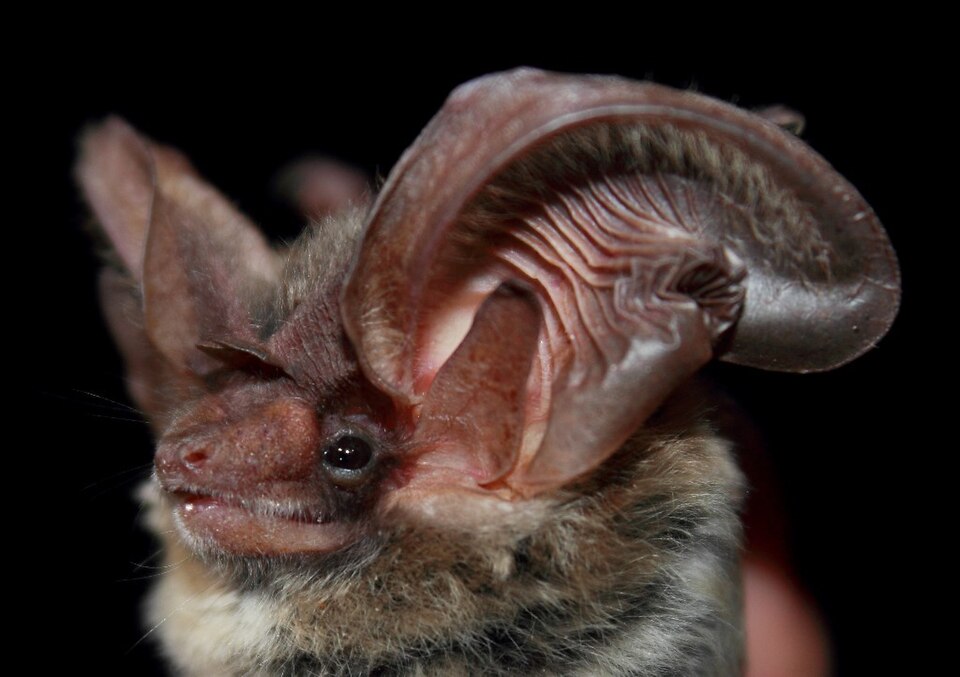
Who to call in Roy
- Animal control: Roy is one of the Weber County cities that provides its own animal control. Roy City Animal Services operates within the Roy City Police Department at 5051 S 1900 W and has two full-time animal control officers. The city lists Animal Services at 801-774-1076; after hours, or to reach an officer, call Weber non-emergency dispatch at 801-395-8221.
- Possible exposure: Weber-Morgan Health Department, 477 23rd St, Ogden. Its bat and rabies notices direct residents to 801-399-7250 (Clinical Nursing Services, weekdays 8:30 a.m. to 5 p.m.). Utah DHHS also takes calls at 1-888-EPI-UTAH.
- State wildlife office: Utah DWR Northern Region, 515 E 5300 S, Ogden, 801-476-2740.
Weber-Morgan Health considers any bare-skin contact with a bat a potential exposure, and says a bat found in any sleeping area counts as one too, because bites and scratches can be too small to see or feel. If that happens, wash any bite or scratch with soap and water for at least 20 seconds, cover the bat with a box, bucket or heavy blanket without touching it (or move it with thick leather gloves or a tool), and call the health department, animal control or DWR so it can be picked up for testing. Utah DHHS also has an online Rabies Exposure Assessment Tool. A colony living in the attic is a different job: Utah DWR says to hire a local, permitted wildlife nuisance control company, which coordinates the timing with the DWR.
Rabies in Weber County
Utah DHHS counted 5 rabid bats from Weber County in 2024, out of 50 animals the Weber-Morgan health district submitted that year (40 negative, 5 untestable). In 2025 the district sent 43 animals: 4 were positive (3 from Weber County, 1 from Morgan County), 34 negative and 5 could not be tested. The Morgan County bat, announced June 2, 2025, was the first rabid bat reported anywhere in Utah that year. Weber-Morgan's communicable disease nurse told the Standard-Examiner the department initiates testing of roughly 15 to 20 bats a year on average, following reports of possible exposures or bats acting strangely.
Statewide, every animal that tested positive in Utah in 2025 was a bat: 24 rabid bats that exposed at least 19 people and 26 pets, with the first and last detections on May 28 and October 8. Mexican free-tailed bats were the largest share of rabid bats (8 of 63 tested), followed by silver-haired bats (5 of 29) and big brown bats (4 of 46). The health department's advice for Roy residents is simple: a bat out in daylight, or one that lets you get close, is more likely to be sick, so don't touch it.
Bats in and around Roy
USU Extension says about half of Utah's bat species use buildings, either for a whole season or briefly during spring and fall migration. Pups are born in May or June, are blind and helpless at birth and can fly in three to six weeks. Utah DWR's July 2026 guidance says five Utah species migrate, leaving from late August through October and returning in April and May, and that encounters tend to spike in September as Mexican free-tailed bats move through. That is why a Roy family can go all summer without noticing anything, then find a bat in the house in early fall.
Roy homes: where bats get in
Roy has 13,605 housing units with a median build year of 1986 (ACS 2024 5-year). The stock is spread across the decades rather than concentrated in one boom: about 14% was built in the 1950s, 8% in the 1960s, 18% in the 1970s, 14% in the 1980s, 22% in the 1990s (the largest single decade) and 15% in the 2000s. Only about 7% is newer than 2010. Single-family detached houses make up 79% of units, mobile homes about 5%, buildings of 10 or more units 5%, and 16% of occupied homes are rented.
USU Extension says bats don't chew new holes; they use existing gaps of about ¼ inch or more, usually 12 feet or higher, around chimneys and where walls meet the roof. On Roy's homes from the 1950s through the 1970s that usually means gaps at the gable ends, around old brick chimneys and behind fascia boards that have shrunk away from the roof deck. On houses from the 1990s and 2000s, look at the corners where the soffit returns meet the siding, the ends of ridge vents, and the joint where the garage roof ties into the second-story wall. Dark rub marks at a gap and droppings stuck to the siding or piled on the ground below are the giveaways.
When bats can be excluded in Roy
The Utah Division of Wildlife Resources (DWR) says female bats usually move into buildings in May or June to give birth, and that June through August is the hardest time to deal with a colony. Blocking the mothers then kills the flightless pups, and bats are protected wildlife in Utah. Unless bats are coming into close contact with people, DWR does not permit colony removal during that period. DWR advises against sealing openings from May through August and names fall as the best time.
For an attic colony, DWR says to contact a local, permitted wildlife nuisance control company, which coordinates the removal with DWR for a time of year that won't harm the pups. After August, DWR describes hanging bird netting over an exterior opening (stapled at the top and sides, open at the bottom) for four to five days, until the bats have left, and then sealing the holes. In Roy, NOAA normals for the Ogden Hinkley Ap station put the average low at 50°F or warmer in Jun–Sep, the months when bats are most active here.
The Ogden-Hinkley Airport station, about 2 miles from Roy, averages lows of 53°F in September, 41°F in October and 30°F in November, with a January average low of 21°F and about 16.4 inches of precipitation a year. That makes September and the first half of October the practical exclusion window in Roy: the pups are flying, and it is still warm enough for the bats to leave and find another roost. Inspections can happen any time of year, so openings found in winter can be documented and sealed at the next safe window.
Roy at a glance
- Housing units: 13,605 (median year built 1986)
- Built before 1980: 42%; built 2010 or later: 7%
- Single-family detached: 79%; buildings with 10+ units: 5%
- Renter-occupied homes: 16%
- Average January low: 21°F; average July high: 91°F
- Months with an average low of 50°F or warmer: Jun–Sep
Housing figures: U.S. Census Bureau, ACS 2024 5-year estimates (tables B25024, B25034, B25035, B25003) via Census Reporter. Climate: NOAA 1991–2020 normals, Ogden Hinkley Ap station.
Common questions
Who handles a bat inside a house in Roy, Utah?
Roy City Animal Services, part of the Roy City Police Department (801-774-1076, or Weber non-emergency dispatch at 801-395-8221 after hours). Roy runs its own animal control rather than using Weber County Animal Services. If anyone may have touched the bat, or it was in a room where someone was sleeping, also call the Weber-Morgan Health Department at 801-399-7250.
Has Weber County had rabid bats recently?
Yes. Utah DHHS reported 5 rabid bats from Weber County in 2024 and 3 in 2025, plus 1 from Morgan County in 2025. Every animal that tested positive for rabies in Utah in 2025 was a bat.
Should I let a bat out of my house in Roy?
Not if there's any chance of an exposure. Weber-Morgan Health treats bare-skin contact with a bat, or a bat found in a room where someone was sleeping, as a potential exposure. Cover the bat with a box or bucket without touching it and call the health department or animal control so it can be tested. If nobody could have touched it, you can open a window and let it fly out.
When can bats be sealed out of a Roy home?
Utah DWR advises against sealing openings from May through August, while pups can't fly, and doesn't permit colony removal from June through August unless bats are coming into close contact with people. With average lows near 53°F in September and 41°F in October at the nearby Ogden-Hinkley Airport station, September and early October are the best window in Roy.
Where do bats usually get into Roy houses?
Through existing gaps of about ¼ inch or more, usually high on the house. On Roy's 1950s–1970s homes, check gable ends, old chimneys and fascia boards; on 1990s and 2000s homes, check soffit returns, ridge-vent ends and where the garage roof meets the upper wall. Rub marks and droppings below a gap point to the entry.
Nearby city guides
Sources
- Roy City Police Department: Animal Services
- Roy City: Contact information (Animal Services, non-emergency dispatch)
- Weber County Animal Services: Contact us (cities with their own animal control)
- Weber-Morgan Health Department: Avoid touching bats to prevent rabies exposure (July 31, 2024)
- Weber-Morgan Health Department: Avoid touching bats, update pet vaccinations (June 2, 2025)
- Weber-Morgan Health Department: Locations and directory
- Standard-Examiner: Weber-Morgan Health Department issues recommendations after bat tests positive for rabies (June 5, 2025)
- Utah DWR: Contact us (regional offices)
- Utah DHHS: Rabies Annual Report 2025
- Utah DHHS: Rabies Annual Report 2024
- Utah DWR: What to know about bats in Utah (July 14, 2026)
- Utah State University Extension: Bats (Wildlife Damage Management Series, PDF)
- Census Reporter: Roy profile (ACS 2024 5-year)
- NOAA NCEI 1991–2020 monthly normals (Ogden Hinkley Ap)
Other Utah cities we serve
We serve all of Utah. Here are nearby service areas.
Other wildlife removal services we offer here
Roy bat removal, done right.
Call for a phone consultation. Written warranty. UDWR licensed. Same-day available. Call to schedule an inspection.