
Bat Removal West Jordan, UT
Bats that get into West Jordan homes usually come from the attic, so the question is how to get them out without breaking state wildlife law. Here are the local rules and the right window for the work.
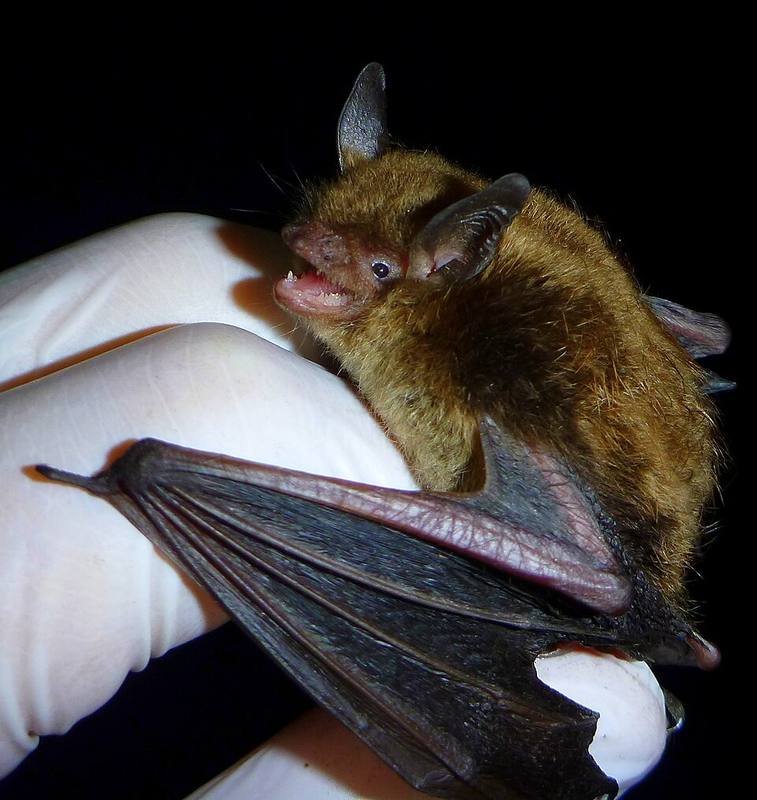
If a bat is inside your West Jordan home
DWR gives the basic steps. Open a door or window, turn off the lights inside, turn on a porch light, leave the room, and let the bat find its own way out. Never handle a bat with bare hands. Salt Lake County adds an important exception: if anyone may have had contact with the bat, or you aren't sure, do not release it. Contain it without touching it and call.
- Animal services (West Jordan): 801-840-4000, per the Salt Lake County bat brochure. Salt Lake County Animal Services' main line is 385-468-7387.
- Possible contact with a bat: Salt Lake County Health Department, 385-468-4222. Call immediately so the person can be evaluated for preventive treatment.
- After-hours disease emergency: 385-468-8888, option 7.
The county's rule is: do not dispose of or release the bat. If possible, contain or cover it and call Animal Services; testing may rule out the need for treatment. If you find a bat inside, dead or alive, close it into one room or put a container over it without touching it, then call.
Why West Jordan attics get bats
West Jordan's 38,619 housing units have a median build year of 1996. About 17% were built in 2010 or later, and 68% are single-family detached. Newer homes have fewer rotted boards, but they still have ridge vents, gable vents, and gaps where stucco, stone or siding meets the roof. DWR's prevention list starts with cooling the attic with fans to make it less comfortable for bats. Next, inspect the exterior for gaps in siding, chimneys and rooflines.
DWR says Utah has 18 confirmed bat species. Five migrate, flying south from late August through October and returning in April and May. DWR's mammal conservation coordinator says encounters seem to spike in September, as migrating species such as the Mexican free-tailed bat move through the state.
Utah rabies numbers
The Utah Department of Health and Human Services (DHHS) 2024 annual report recorded 31 rabid animals statewide, and all 31 were bats. It was the highest number of positive detections Utah has recorded in a single year. Of 228 bats tested, 13.6% were positive, and those bats exposed 13 people and 13 pets. Most rabid animals in Utah turn up between June and October. Mexican free-tailed bats were the largest share of 2024 positives (10), followed by big brown bats (7) and western pipistrelles (6).
When bats can be excluded in West Jordan
The Utah Division of Wildlife Resources (DWR) says female bats usually move into buildings in May or June to give birth, and that June through August is the hardest time to deal with a colony. Blocking the mothers then kills the flightless pups, and bats are protected wildlife in Utah. Unless bats are coming into close contact with people, DWR does not permit colony removal during that period. DWR advises against sealing openings from May through August and names fall as the best time. Salt Lake County Health Department's bat brochure is stricter: it says not to use exclusion methods from May 1 to September 1, because pups cannot fly yet and it is illegal to harm them.
For an attic colony, DWR says to contact a local, permitted wildlife nuisance control company, which coordinates the removal with DWR for a time of year that won't harm the pups. After August, DWR describes hanging bird netting over an exterior opening (stapled at the top and sides, open at the bottom) for four to five days, until the bats have left, and then sealing the holes. In West Jordan, NOAA normals for the Draper-Point Of Mtn station put the average low at 50°F or warmer in Jun–Sep, the months when bats are most active here.
West Jordan at a glance
- Housing units: 38,619 (median year built 1996)
- Built before 1980: 19%; built 2010 or later: 17%
- Single-family detached: 68%; buildings with 10+ units: 15%
- Renter-occupied homes: 25%
- Average January low: 25°F; average July high: 94°F
- Months with an average low of 50°F or warmer: Jun–Sep
Housing figures: U.S. Census Bureau, ACS 2024 1-year estimates (tables B25024, B25034, B25035, B25003) via Census Reporter. Climate: NOAA 1991–2020 normals, Draper-Point Of Mtn station.
Common questions
Who do I call for a bat in West Jordan?
The Salt Lake County bat brochure lists 801-840-4000 for West Jordan. For possible human contact, call the Salt Lake County Health Department at 385-468-4222.
Can I just open a window to let a bat out?
DWR describes doing that when no one has had contact. If anyone may have touched the bat or slept near it, Salt Lake County says to contain it and call instead.
Why do I see more bats in September?
DWR says encounters spike in September as migratory species such as the Mexican free-tailed bat move around Utah.
When can bats be sealed out of a West Jordan attic?
Not between May 1 and September 1, according to Salt Lake County. DWR says fall is the best time.
Do newer homes get bats?
Yes. Ridge and gable vents and gaps at roofline transitions are common entry points even on recent construction.
Nearby city guides
Sources
- Salt Lake County Health Department: bats brochure (PDF)
- Salt Lake County Animal Services: contact
- Salt Lake County Health Department: Infectious Disease Bureau
- Utah DWR: What to know about bats in Utah (July 14, 2026)
- Utah DHHS: Rabies Annual Report 2024
- Census Reporter: West Jordan profile (ACS 2024 1-year)
- NOAA NCEI 1991–2020 monthly normals (Draper-Point Of Mtn)
Other Utah cities we serve
We serve all of Utah. Here are nearby service areas.
Other wildlife removal services we offer here
West Jordan bat removal, done right.
Call for a phone consultation. Written warranty. UDWR licensed. Same-day available. Call to schedule an inspection.